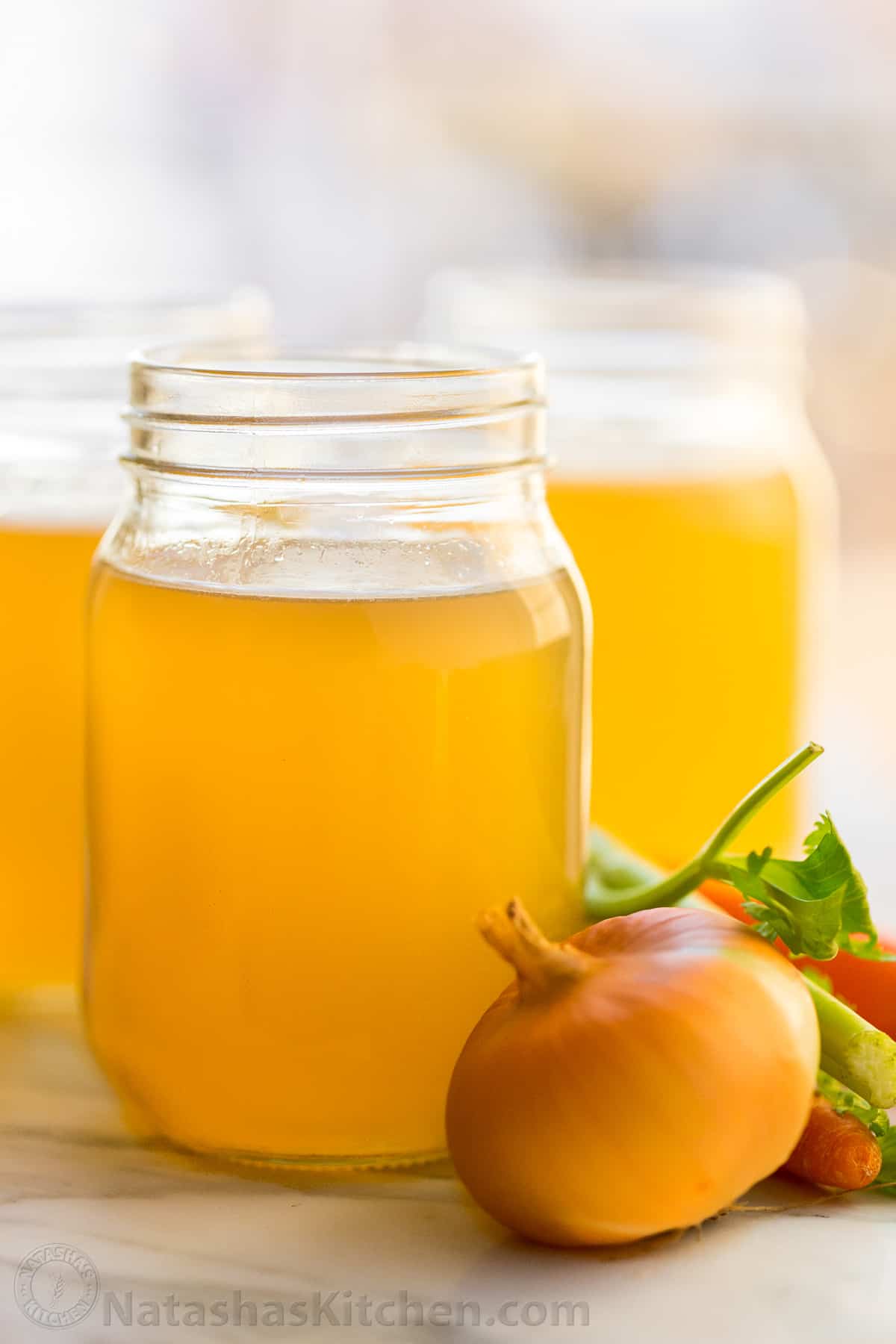
The Golden Elixir: Why Homemade Chicken Bone Broth Reigns Supreme
There's a reason chicken bone broth is often dubbed "liquid gold." This humble, nutrient-packed concoction, made simply by simmering chicken bones, offers a treasure trove of health benefits and culinary versatility. While store shelves are stocked with various broths and stocks, nothing quite compares to the richness, flavor, and sheer quality of a homemade batch. Learning
how to make chicken stock chicken bone broth from a leftover carcass not only reduces food waste but also empowers you to create a superior product, tailored to your taste and health needs.
Beyond its undeniable deliciousness, homemade bone broth is a powerhouse of nutrients. It's an economical way to extract valuable collagen, amino acids, vitamins, and minerals directly from bones that might otherwise be discarded. This means you can control every ingredient, avoiding the excessive sodium, artificial flavors, and preservatives commonly found in packaged versions. The result? A wholesome, restorative liquid perfect for sipping, cooking, or as a foundational ingredient in countless dishes. For a deeper dive into these benefits, explore
Why Homemade Chicken Stock Beats Store-Bought for Health & Collagen.
From Carcass to Collagen: Understanding the Magic of Bone Broth
At its heart, chicken bone broth is a savory cooking liquid created by slowly simmering chicken bones and connective tissues in water. This extended cooking process is crucial, as it allows the collagen, gelatin, and marrow within the bones to release into the liquid. This is what gives a good bone broth its characteristic thick, gelatinous consistency when cooled, along with a silky mouthfeel and profound flavor.
The star of the show here is collagen, a protein vital for healthy skin, hair, nails, and — perhaps most importantly — joint function and gut health. When you simmer bones, this collagen breaks down into gelatin, which then provides a rich array of amino acids beneficial for your body. Alongside collagen, the bones release a spectrum of minerals like calcium, magnesium, and phosphorus, making your homemade broth a genuine wellness elixir.
Stock vs. Bone Broth: A Quick Clarification
While often used interchangeably, there's a subtle but important distinction between chicken stock and chicken bone broth. Think of bone broth as a specific *type* of chicken stock.
*
Chicken Stock: Typically made with any raw or cooked chicken bones (including a leftover carcass), simmered for a few hours (2-4 hours). It's a flavorful cooking liquid, often less gelatinous.
*
Chicken Bone Broth: This specifically focuses on extracting the maximum amount of collagen and amino acids. It uses bones rich in connective tissue (joints, knuckles, feet, wing tips, or an entire carcass), and is simmered for a much longer duration (12-24 hours). The extended simmer ensures a gelatinous, nutrient-dense final product designed for both cooking and sipping as a health tonic.
For the purpose of this guide, when we discuss
how to make chicken stock chicken bone broth, we're aiming for that extended simmer to unlock all the healthful benefits and that coveted gelatinous texture.
Gathering Your Arsenal: Essential Ingredients for Bone Broth
The beauty of bone broth lies in its simplicity. While the core ingredients are few, selecting them wisely can elevate your broth from good to truly exceptional.
The Star: Chicken Bones (Especially Carcasses!)
This is where your roasted chicken carcass shines! Don't let those bones go to waste after a family meal. They are perfect for bone broth. You can also supplement with other collagen-rich parts like chicken backs, wings, necks, or even feet. The more connective tissue, the more gelatinous your broth will be. For the absolute best results, opt for bones from pastured (free-range) chickens, as they tend to yield a broth richer in nutrients.
Aromatic Vegetables
While technically optional, adding a medley of vegetables infuses your broth with depth and natural sweetness, creating a more complex flavor profile. The classic trio includes:
*
Yellow Onions: Halved or quartered, skin on for extra color.
*
Carrots: Roughly chopped, adding sweetness.
*
Celery Ribs: Roughly chopped, contributing an earthy note.
While some prefer to use vegetable scraps, fresh vegetables often provide a cleaner, more vibrant flavor. Discard any vegetables that might overpower the chicken flavor, like broccoli or cabbage.
Herbs, Spices & The Secret Ingredient
These additions are crucial for building a full-bodied, aromatic broth.
*
Garlic: Several cloves, smashed or peeled, for pungent warmth.
*
Bay Leaves: 2-3 dried leaves, for a subtle, earthy aroma.
*
Black Peppercorns: A teaspoon or two, for a gentle spice.
*
Parsley: A handful of fresh parsley (stems and leaves), adds freshness and depth. Thyme sprigs are also an excellent addition.
*
Ginger (Optional): A few slices of fresh ginger can add a wonderful, warming quality, especially if you plan to sip the broth for its restorative properties.
*
Apple Cider Vinegar (The Secret Ingredient): Just a tablespoon or two of an acidic ingredient like apple cider vinegar is highly recommended. It helps to draw minerals and collagen out of the bones, enhancing the nutrient density of your broth. Don't worry, you won't taste it in the final product!
Your Step-by-Step Guide: How to Make Chicken Stock Chicken Bone Broth
Ready to transform that carcass into liquid gold? Here’s your comprehensive guide.
Preparation is Key
1.
Roast (if using raw bones): If you're using raw chicken bones (like backs or necks), roasting them in the oven at 400°F (200°C) for 30-45 minutes until golden brown will significantly enhance the flavor of your broth. If using a leftover roasted carcass, this step is already done!
2.
Gather Ingredients: Place your chicken carcass (and any additional bones), chopped vegetables, garlic, bay leaves, peppercorns, parsley, ginger (if using), and apple cider vinegar into a large stockpot or Dutch oven.
The Simmering Process
1.
Cover with Water: Pour enough cold water over all the ingredients to cover them by at least 2-3 inches. Using cold water is important as it slowly brings the temperature up, allowing impurities to rise to the surface.
2.
Bring to a Boil, Then Reduce: Place the pot on high heat and bring it to a rolling boil. As soon as it boils, reduce the heat immediately to the lowest setting. You want a gentle simmer, just barely bubbling.
3.
Skim Impurities: For the first hour or so, a foamy scum will likely rise to the surface. Use a ladle or large spoon to regularly skim this off and discard it. This step helps create a clearer, cleaner-tasting broth.
The Long Haul: Simmer Time for Maximum Benefits
This is where "bone broth" truly differentiates itself from "stock." For a nutrient-dense bone broth packed with collagen:
*
Simmer for 12-24 hours: Maintain a very gentle simmer. The longer you simmer, the more nutrients and collagen you'll extract. If simmering for more than 12 hours, you might need to occasionally top up the water level to keep the bones submerged. You can also transfer it to a slow cooker for unsupervised simmering after the initial boil and skimming, which is a fantastic option for longer cook times.
Straining and Storing Your Liquid Gold
1.
Strain: Once your broth has simmered sufficiently, remove the pot from the heat. Carefully strain the liquid through a fine-mesh sieve or colander lined with cheesecloth into a large bowl or heat-proof container. Discard all the solids – the bones have given all they have!
2.
Cool Properly: Allow the broth to cool completely at room temperature before refrigerating. To speed up the cooling process, you can place the pot in an ice bath. Rapid cooling helps prevent bacterial growth.
3.
Defat (Optional): Once fully chilled in the refrigerator, a layer of fat will solidify on top. You can easily scrape this off and discard it (or save it for cooking!). This results in a cleaner, less fatty broth.
4.
Store: Your homemade chicken bone broth can be stored in airtight containers in the refrigerator for 5-7 days. For longer storage, pour it into freezer-safe containers, ice cube trays, or freezer bags and freeze for up to 6 months.
Beyond the Pot: Creative Uses for Your Homemade Broth
Now that you've mastered
how to make chicken stock chicken bone broth, the culinary possibilities are endless! This versatile liquid can elevate almost any dish.
*
Sip It Straight: Many enjoy sipping warm bone broth as a comforting, gut-healing tonic, especially during colder months or when feeling under the weather.
*
Soups and Stews: It forms the rich base for countless soups, stews, and chowders, adding incredible depth of flavor.
*
Cooking Grains: Use broth instead of water when cooking rice, quinoa, couscous, or pasta for an extra boost of flavor and nutrition.
*
Sauces and Gravies: A spoonful of gelatinous broth can thicken and enrich gravies and pan sauces.
*
Braising Liquids: It's perfect for braising meats or vegetables, infusing them with savory goodness.
For more inspiration on incorporating this liquid gold into your daily life, check out
Homemade Chicken Stock & Bone Broth: Your Guide to Nutrient-Rich Liquid Gold.
In conclusion, transforming a humble chicken carcass into a robust, collagen-rich bone broth is a rewarding culinary endeavor. It's a testament to mindful eating, reducing waste, and prioritizing wholesome, homemade nourishment. With a little time and patience, you'll soon have a stash of this incredibly beneficial "liquid gold" on hand, ready to enhance your health and your cooking. So, the next time you finish a roasted chicken, remember its true potential – a foundational ingredient for a healthier, more flavorful kitchen.