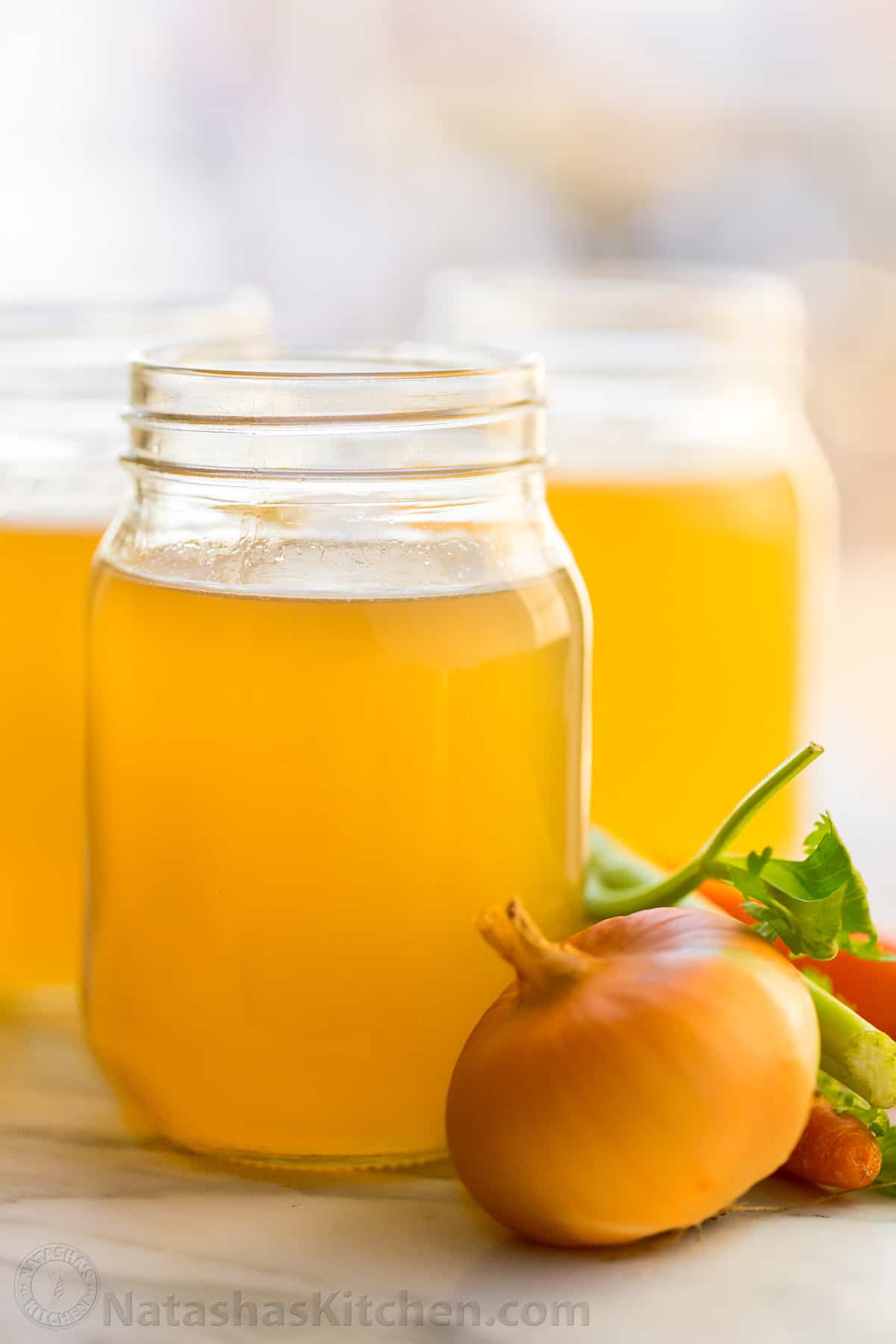
Why Homemade Chicken Stock & Bone Broth Are Your Healthiest Choice
In a world brimming with convenient, store-bought solutions, some kitchen staples truly shine when crafted from scratch. Among these, homemade chicken stock and its nutrient-dense cousin, chicken bone broth, stand out as true "liquid gold." Far more than just a culinary base, these wholesome concoctions offer a remarkable array of health benefits that packaged versions simply can't match. If you've ever wondered **how to make chicken stock chicken bone broth** that genuinely nourishes your body and elevates your cooking, you're about to discover why taking the homemade route is an investment in your well-being.
From enriching soups and stews to fortifying grains and serving as a restorative, savory sip, the versatility of homemade stock is unparalleled. But beyond its culinary prowess, it's the profound health advantages, particularly the abundance of collagen, that truly set homemade apart. Unlike the often-watery, sodium-laden, and preservative-filled cartons lining supermarket shelves, your homemade brew empowers you with complete control over ingredients, quality, and nutrient density.
The Unrivaled Benefits of Homemade Chicken Stock & Bone Broth
The primary allure of homemade chicken stock and bone broth lies in their superior nutritional profile and the sheer quality you can achieve. This isn't just about taste; it's about what you're putting into your body.
Healthier & Higher Quality Ingredients
*
Control Over Sourcing: When you make stock at home, you dictate the quality of your base ingredients. Opting for bones from pastured, organic, or free-range chickens means you're extracting nutrients from healthier animals, free from antibiotics and hormones often found in conventionally raised poultry. This directly translates to a more nutrient-dense and cleaner final product.
*
Sodium Management: Store-bought stocks are notorious for their high sodium content, which can be problematic for those managing blood pressure or simply seeking a healthier diet. At home, you can add little to no salt during the simmering process, allowing you to season your final dishes to taste without fear of over-salting.
*
No Unwanted Additives: Preservatives, artificial flavors, colorings, and even thickeners like starches are common in commercial stocks. Homemade versions are pure, made with simple, recognizable ingredients – bones, water, vegetables, and herbs. This purity ensures you're consuming only beneficial compounds.
A Nutrient Powerhouse
*
Collagen-Rich Goodness: This is arguably the most significant differentiator. When chicken bones, especially those rich in connective tissue (joints, knuckles, chicken feet, wing tips), are simmered for extended periods, they release collagen. This collagen transforms into gelatin, giving your homemade stock its characteristic jiggly texture when chilled. Collagen is vital for healthy skin, hair, nails, and crucially, for joint health, gut integrity, and overall connective tissue strength. Store-bought stocks, due to shorter simmering times and processing, typically lack this vital component.
*
Abundant Minerals: The long, slow simmer extracts a wealth of minerals from the bones, including calcium, magnesium, phosphorus, and iron. These essential minerals play critical roles in bone health, nerve function, and energy production.
*
Amino Acids: Bone broth, in particular, is a fantastic source of amino acids like glycine, proline, and glutamine. These are building blocks for proteins in your body and are known to support detoxification, digestion, and immune function.
*
Vitamins: While not the primary source, bone broth can also contain fat-soluble vitamins (A and K2) and water-soluble vitamins (B vitamins) depending on the quality of the bones and any added vegetables.
Economical and Sustainable
Making your own stock is incredibly cost-effective. Instead of discarding chicken carcasses or leftover bones from a roasted bird, you transform them into a valuable resource. It's an excellent way to practice nose-to-tail eating, minimize food waste, and maximize the value from your grocery budget. For an in-depth guide on utilizing your leftovers, check out our article:
Easy Bone Broth From Carcass: Unlock Collagen & Health Benefits.
Demystifying Chicken Stock vs. Chicken Bone Broth: What's the Difference?
The terms "chicken stock" and "chicken bone broth" are often used interchangeably, but there's a subtle yet important distinction, especially when focusing on health benefits and collagen extraction. Understanding this will refine your approach to **how to make chicken stock chicken bone broth** that precisely meets your needs.
What is Chicken Stock?
Chicken stock is a savory, flavorful cooking liquid created by simmering chicken bones (raw or leftover roasted carcass) and cartilage with water for several hours. Typically, this process takes anywhere from 3-6 hours. The goal is to extract flavor and some nutrients, resulting in a liquid that, when chilled, often has a noticeable, but not overly thick, gelatinous quality. It’s a wonderful base for sauces, risottos, and lighter soups.
What is Chicken Bone Broth?
Chicken bone broth is essentially a *type* of chicken stock, but with a heightened focus on extracting maximum nutrients, particularly collagen and amino acids. To achieve this, bone broth requires a much longer simmering time – typically 12-24 hours, sometimes even longer. The choice of bones is also more specific, favoring those rich in connective tissues like chicken feet, backs, wing tips, and joint-heavy pieces. The extended simmer ensures a more potent extraction, yielding a deeply flavored, highly gelatinous liquid that's often sipped on its own as a health elixir, in addition to being used in cooking.
While both are beneficial, if your primary goal is to harness the skin, joint, and gut-healing powers of collagen, then extending your simmer time and choosing collagen-rich bones to make a true bone broth is the way to go.
Your Essential Ingredients for Nutrient-Rich Liquid Gold
Crafting the perfect homemade chicken stock or bone broth is a simple process once you have the right components. Here's a breakdown of the key ingredients and why they matter:
1. Chicken Bones: The Foundation of Flavor and Health
*
Any Chicken Bones Work for Stock: For a basic chicken stock, any raw chicken bones or a leftover carcass from a roasted chicken are perfect. This includes backbones, wings, drumsticks, or even a whole disassembled chicken.
*
For Maximum Collagen (Bone Broth): To achieve that desired gelatinous consistency and potent collagen boost, prioritize bones rich in connective tissue. Think chicken feet (a secret weapon!), wing tips, backs, neck bones, and joint-heavy pieces. Using pastured (free-range) chicken bones is always recommended for superior nutrient content.
*
Tip: Roast Your Bones First! While optional, roasting raw bones (especially a carcass) before simmering can add incredible depth and a richer, darker color to your stock. Just spread them on a baking sheet and roast until nicely browned.
2. Aromatic Vegetables: Flavor & Subtle Sweetness
While technically optional for a basic stock, adding vegetables significantly enhances flavor.
*
Classic Mirepoix: Yellow onions (cut into quarters), celery ribs, and carrots (roughly chopped) form the traditional aromatic base, lending a lovely sweetness and savory depth.
*
Consider Scraps: You can use vegetable scraps like onion skins or celery ends, but fresh vegetables often yield a "cleaner" and brighter flavor profile.
3. Herbs & Spices: The Soul of Your Broth
These additions transform a simple liquid into a full-bodied culinary delight.
*
Essential Herbs: Fresh parsley (stems and leaves), a few sprigs of thyme, and bay leaves are classic choices that contribute a complex, earthy aroma.
*
Flavor Boosters: Whole garlic cloves (no need to peel, just smash lightly) and a few whole black peppercorns are crucial. For an extra layer of warmth and anti-inflammatory benefits, consider adding a slice or two of fresh ginger.
4. Acidic Element: The Collagen Extractor
*
Apple Cider Vinegar (ACV): A small splash of an acidic ingredient like apple cider vinegar is critical. It helps draw out essential minerals and collagen from the bones, making your stock more nutritious. Don't worry, you won't taste the vinegar in the final product.
5. Water: The Medium for Extraction
*
Quality Matters: Use filtered water if possible. The quality of your water will affect the overall taste of your stock.
Mastering the Art of Simmering: Tips for Your Best Brew
Now that you have your ingredients ready, let's delve into the process of **how to make chicken stock chicken bone broth** that will rival any gourmet kitchen.
Preparation is Key
1.
Rinse Bones: Give your bones a quick rinse under cold water to remove any impurities.
2.
Optional Blanching: For an exceptionally clear stock, some chefs blanch their bones first. Place bones in a pot, cover with cold water, bring to a boil, simmer for 10-15 minutes, then drain, rinse the bones, and proceed with the main stock recipe.
3.
Optional Roasting: As mentioned, roasting raw bones at 400°F (200°C) for 30-45 minutes until browned adds immense flavor.
The Simmering Process
1.
Combine Ingredients: Place your chosen bones, vegetables, herbs, spices, and a splash of apple cider vinegar in a large stockpot.
2.
Add Water: Cover everything with cold filtered water by about 1-2 inches. Starting with cold water allows for a more gradual extraction of flavors and nutrients.
3.
Bring to a Gentle Boil, Then Simmer: Bring the pot to a boil over medium-high heat. As it approaches a boil, you'll see foam and scum rise to the surface. Skim this off diligently for the first hour to ensure a cleaner, clearer stock. Once most of the scum is removed, reduce the heat to the lowest setting, so it maintains a very gentle simmer – just tiny bubbles breaking the surface. Never let it come to a rolling boil, as this can make your stock cloudy and impart off-flavors.
4.
Simmer Time:
*
For Chicken Stock: Simmer gently for 4-6 hours.
*
For Chicken Bone Broth: Simmer for a minimum of 12 hours, up to 24 hours. Some even go longer. The longer the simmer, the more collagen and minerals are extracted.
5.
Replenish Water (If Needed): If the water level drops significantly during long simmers, you can add more hot water to keep the ingredients submerged.
Cooling, Straining & Storage
1.
Cool Down: Once simmering is complete, remove the pot from the heat. It's crucial to cool your stock quickly to prevent bacterial growth. You can do this by letting it cool partially, then placing the pot in an ice bath in your sink, stirring occasionally.
2.
Strain: Once cool enough to handle, strain the stock through a fine-mesh sieve (or a sieve lined with cheesecloth for extra clarity) into clean containers. Discard the spent bones and vegetables.
3.
Refrigerate: Place the strained stock in the refrigerator. As it chills, a layer of fat will solidify on top. This fat acts as a natural seal and can be easily skimmed off before use if desired. The stock should also solidify into a gelatinous mass – a clear sign of successful collagen extraction!
4.
Store: Homemade chicken stock/bone broth can be refrigerated for up to 5-7 days or frozen in airtight containers or ice cube trays for several months.
For more detailed recipes and different methods like slow cooker or Instant Pot, explore our comprehensive guide:
Homemade Chicken Stock & Bone Broth: Your Guide to Nutrient-Rich Liquid Gold.
Conclusion
Embracing the practice of making homemade chicken stock or bone broth is one of the most rewarding culinary and health-conscious decisions you can make. It’s a journey from kitchen scraps to a powerhouse of flavor and nutrition, offering superior health benefits like a rich collagen content that store-bought alternatives simply cannot deliver. By taking control of your ingredients, simmering time, and preparation, you unlock a world of culinary possibilities and provide your body with essential minerals and gut-healing compounds. So, gather your bones and aromatics, and embark on the fulfilling process of learning **how to make chicken stock chicken bone broth** – your body and your taste buds will thank you.