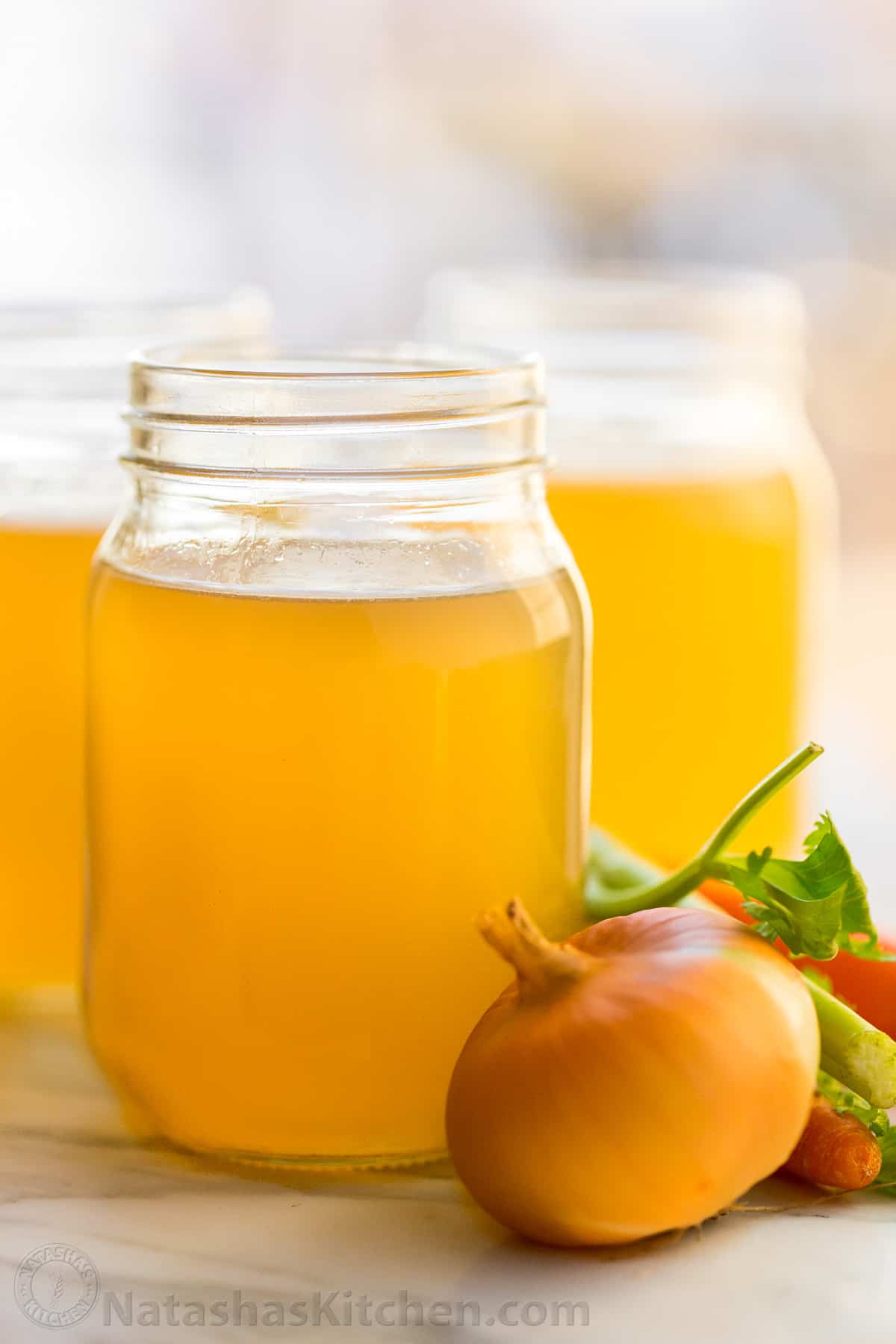
Homemade Chicken Stock & Bone Broth: Your Guide to Nutrient-Rich Liquid Gold
Forget bland, sodium-laden store-bought cartons! Learning
how to make chicken stock chicken bone broth at home is a culinary game-changer that transforms humble ingredients into a flavorful, nutrient-packed elixir. Often dubbed "liquid gold," this homemade staple is far superior in taste, quality, and health benefits. Whether you're simmering a quick stock for tonight's soup or embarking on a long slow cook for a collagen-rich bone broth, you're investing in your health and elevating your cooking to new heights.
From enhancing the richness of your favorite stews and cooking grains to being a restorative sip on its own, homemade stock and bone broth offer unparalleled versatility and nourishment. The best part? You have complete control over the ingredients, ensuring a wholesome product free from unwanted preservatives and excessive sodium. Plus, it's incredibly economical, making use of parts often discarded, like chicken carcasses and bones.
Why Homemade Stock & Bone Broth are Your Kitchen's Secret Weapon
The allure of homemade chicken stock and bone broth goes far beyond just taste. It's a powerhouse of nutrition and a testament to mindful eating. Unlike mass-produced versions, your homemade liquid gold is packed with bioavailable vitamins, minerals, and amino acids. Simmering bones and connective tissues for extended periods extracts beneficial compounds that are often missing from commercial alternatives.
One of the most significant benefits, especially when you master
how to make chicken stock chicken bone broth, is the abundance of collagen. Collagen, a vital protein, is crucial for healthy skin, hair, nails, and joint support. As the collagen breaks down during simmering, it transforms into gelatin, giving your broth that desirable thick, jiggly consistency when chilled. Beyond collagen, you'll also find essential minerals like iron, calcium, magnesium, and phosphorus, all of which contribute to overall well-being.
Furthermore, making your own allows you to:
- Control Sodium: Season to your exact preference, or leave it unsalted for maximum flexibility in cooking.
- Avoid Preservatives: No artificial flavors, colors, or shelf-stabilizers necessary.
- Utilize Leftovers: A perfect way to make use of roasted chicken carcasses, vegetable scraps, and discarded bones.
- Enhance Flavor: The depth and richness of homemade stock are simply unmatched.
For a deeper dive into these benefits, check out our related article:
Why Homemade Chicken Stock Beats Store-Bought for Health & Collagen.
Understanding the Difference: Chicken Stock vs. Bone Broth
While often used interchangeably, there's a subtle yet important distinction between chicken stock and chicken bone broth, primarily revolving around simmering time and the concentration of nutrients, particularly collagen.
- Chicken Stock: Typically made by simmering raw or roasted chicken bones (or a whole carcass) with aromatic vegetables and herbs for a moderate period, usually 2-4 hours. The goal is to extract flavor and some gelatin, resulting in a savory, cooking liquid. It might be moderately gelatinous when chilled.
- Chicken Bone Broth: This is essentially a type of chicken stock that takes nutrient extraction to the next level. It focuses on using bones rich in connective tissue – such as chicken feet, backs, wing tips, knuckles, or a whole carcass – and simmering them for a much longer duration, often 8-24 hours. The extended simmer time ensures maximum release of collagen, gelatin, amino acids, and minerals, yielding a thick, deeply gelatinous, and highly nourishing liquid. Bone broth is often enjoyed as a healthful elixir on its own, beyond just a cooking base.
When you're aiming for that truly restorative, collagen-packed liquid, you're looking for
how to make chicken stock chicken bone broth with a focus on specific bones and a prolonged simmer.
Essential Ingredients for Your Liquid Gold
The beauty of making homemade stock or bone broth lies in its simplicity. You don't need fancy ingredients, just a few key components to create a deeply flavorful and nutritious base.
1. Chicken Bones
The foundation of any good stock or broth.
- For Stock: Any raw chicken bones, a whole chicken carcass from a roast, or a mix of parts like backbones and wings work well. Roasting the bones first can add a deeper, richer flavor.
- For Bone Broth (Maximum Collagen): Prioritize bones with lots of connective tissue. Chicken feet are excellent sources of collagen and gelatin. Other great options include backs, wing tips, necks, joints, and knuckles. Using bones from pastured (free-range) chickens can also provide maximum benefits due to a richer nutrient profile.
If you have a leftover chicken carcass, it's perfect for making bone broth. Learn more with our guide:
Easy Bone Broth From Carcass: Unlock Collagen & Health Benefits.
2. Vegetables & Aromatics
While optional, these add incredible depth and complexity to your liquid gold.
- Mirepoix: Yellow onions (halved or quartered), celery ribs (chopped), and carrots (chopped) are the classic trio. Carrots add a touch of sweetness.
- Garlic: A few cloves, lightly smashed, contribute a pungent warmth.
- Ginger (Optional): For an extra layer of warmth and potential immune benefits.
- Leeks/Parsnips (Optional): Can add additional sweetness and earthy notes.
- Vegetable Scraps: While fresh vegetables offer a "cleaner" flavor, collected scraps (onion peels, carrot tops, celery ends) can be used for a zero-waste approach, just ensure they are clean and free of strong-tasting parts.
3. Herbs & Spices
These elevate the aromatic profile.
- Parsley: Stems and leaves; contributes a fresh, herbaceous note.
- Bay Leaves: Essential for a classic stock flavor.
- Thyme: A few sprigs add an earthy aroma.
- Black Peppercorns: Roughly cracked, for a mild spice.
- Rosemary (Optional): A sprig can add a woody, aromatic complexity.
4. Acid (Crucial for Bone Broth)
A splash of acid helps extract minerals from the bones.
- Apple Cider Vinegar: A tablespoon or two is typically enough. Don't worry, you won't taste it in the final product.
5. Water
Use filtered water if possible to ensure the cleanest taste for your broth.
Step-by-Step Guide: How to Make Chicken Stock & Bone Broth
Ready to dive in and learn
how to make chicken stock chicken bone broth that will impress everyone? Here’s a straightforward method:
- Prepare Your Bones: If using raw bones, you can roast them first at 400°F (200°C) for 30-45 minutes until lightly browned. This step is optional but deepens the flavor significantly. If using a leftover roasted carcass, skip this step.
- Combine Ingredients: Place your chicken bones (roasted or raw), chopped vegetables (onion, celery, carrots), garlic, herbs (parsley, bay leaves, thyme), peppercorns, and apple cider vinegar (if making bone broth) in a large stock pot or slow cooker.
- Add Water: Cover all ingredients with cold, filtered water. Leave about an inch or two of space from the rim of the pot.
- Bring to a Simmer: Place the pot on the stove over high heat and bring it just to a boil. As it heats, you'll see foam and scum rise to the surface.
- Skim the Scum: Once it starts to boil, reduce the heat immediately to a very gentle simmer. Use a large spoon or ladle to carefully skim off any foam or scum that rises. This helps create a clearer, cleaner-tasting stock. Continue skimming for the first 30-60 minutes.
- Simmer Gently: Once skimmed, cover the pot partially (leaving a small gap for steam to escape) and let it simmer.
- For Chicken Stock: Simmer for 2-4 hours.
- For Chicken Bone Broth: Simmer for 8-24 hours. The longer the simmer (up to 24 hours), the more nutrients and gelatin will be extracted. Add more water if necessary to keep the bones submerged.
- Strain the Stock: Once simmering is complete, remove the pot from the heat. Carefully strain the liquid through a fine-mesh sieve into a clean heat-proof container. You can line the sieve with cheesecloth for an even clearer broth, but it's not strictly necessary. Discard the spent bones and vegetables.
- Cool and Store: Allow the stock/broth to cool completely before storing. Once cooled, you can refrigerate it for up to 5-7 days or freeze it for several months. For convenient portions, freeze in ice cube trays, then transfer the frozen cubes to freezer bags.
Tips for the Best Homemade Stock & Broth Every Time
Achieving that perfect "liquid gold" consistently comes down to a few expert tips:
- Don't Boil, Just Simmer: A rolling boil emulsifies fats and causes the stock to become cloudy. A gentle simmer is key for clarity and optimal flavor extraction.
- Start with Cold Water: Adding bones to cold water allows for a gradual extraction of impurities, which can then be easily skimmed.
- Season at the End: Avoid adding salt at the beginning. As the stock reduces, the flavors concentrate. It's best to season after simmering to prevent over-salting.
- Utilize the Chicken Fat: As your stock chills, a layer of fat will solidify on top. This fat acts as a natural seal, preserving the stock. You can scoop it off and save it for cooking (schmaltz!) or discard it before reheating.
- Don't Crowd the Pot: Ensure there's enough room for the water to circulate around the bones and vegetables. Overcrowding can lead to an underdeveloped flavor.
- Consider a Slow Cooker or Instant Pot: These appliances can simplify the simmering process, especially for longer bone broth cooks, allowing for hands-off preparation.
In conclusion, mastering
how to make chicken stock chicken bone broth is one of the most rewarding skills you can acquire in the kitchen. It’s a cost-effective, healthy, and incredibly versatile way to infuse your cooking with unparalleled flavor and nutritional benefits. Once you taste the difference and experience the ease of having this homemade "liquid gold" on hand, you'll wonder why you ever bought it from the store. So gather your bones, start simmering, and enjoy the delicious, nourishing results!